
Lumpkin Flower Planting Services
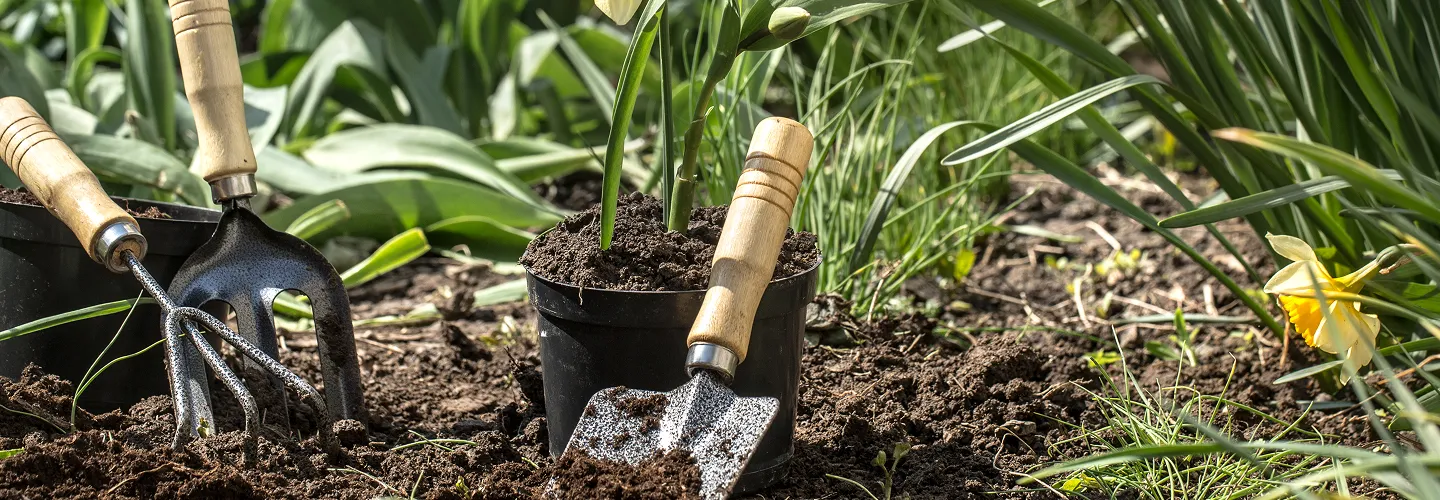
Choose our flower planting services for vibrant, healthy blooms that enhance your home's curb appeal and create a welcoming outdoor space, all handled by experienced professionals who care about your satisfaction.
Get a Free QuoteOur Lumpkin Landscaping & Yard Care Services
When to Schedule Flower Planting in Lumpkin, Georgia – Seasonal Guide
Flower planting in Lumpkin, Georgia, is best scheduled with careful attention to our region’s unique climate and landscape. The optimal planting windows typically fall in early spring, after the last frost, and again in early fall when temperatures begin to cool. In neighborhoods near Providence Canyon State Park or along Main Street, the microclimates created by tree cover and elevation can influence soil warmth and moisture retention, making timing especially important.
Local gardeners must consider Lumpkin’s humid subtropical climate, which brings hot summers and mild winters. Late frosts can occur into March, so it’s wise to consult the USDA hardiness zone map and local resources like Sudbury’s municipal site for up-to-date frost dates. Soil in Lumpkin varies from sandy loam to clay, affecting drainage and root development. Areas with dense shade, such as those near Stewart County Courthouse, may require different timing and flower varieties than sunnier, open yards.
Local Factors to Consider for Flower Planting in Lumpkin
- Proximity to mature trees and resulting shade coverage
- Soil type (sandy, loamy, or clay) and drainage capacity
- Average precipitation and risk of summer drought
- Terrain slope and potential for water runoff
- Local municipal restrictions or neighborhood association guidelines
- Historical frost dates and seasonal temperature swings
- Accessibility to water sources for irrigation
Benefits of Flower Planting in Lumpkin
Enhanced Curb Appeal
Increased Property Value
Expert Plant Selection
Seasonal Color Variety
Low Maintenance Solutions
Eco-Friendly Landscaping
Lumpkin Flower Planting Types

Annual Flower Beds
-
Perennial Flower Gardens
-
Native Wildflower Plantings
-
Seasonal Bulb Displays
-
Pollinator-Friendly Gardens
-
Shade-Loving Flower Beds
-
Drought-Tolerant Flower Landscapes
Our Flower Planting Process
Site Evaluation
Soil Preparation
Flower Selection
Planting
Watering and Mulching
Why Choose Lumpkin Landscape Services
-
Lumpkin Homeowners Trust Us
-
Expert Lawn Maintenance
-
Reliable Scheduling
-
Competitive Pricing
-
Professional Team
-
Satisfaction Guarantee
-
Personalized Service
Lumpkin's Coastal Plain Soils and Their Impact on Flower Bed Preparation
Lumpkin sits in southwest Georgia's upper Coastal Plain region, within USDA Hardiness Zone 8b, where the predominant soil series—including Orangeburg, Faceville, and Greenville sandy loams—present specific challenges for flower planting. These soils tend to be acidic, often registering a pH between 4.8 and 5.8, and feature moderate to rapid drainage that can leach nutrients away from shallow root zones. Before installing flower beds, property owners should conduct a soil test through the UGA Cooperative Extension to determine exact pH and nutrient levels. Key bed preparation steps for Lumpkin soils include:
- Amending beds with 2–3 inches of composted organic matter to improve moisture retention in sandy substrates
- Applying pelletized lime at rates guided by soil test results to raise pH toward the 6.0–6.5 range preferred by most annual and perennial flowers
- Incorporating slow-release fertilizer compliant with the Georgia Fertilizer Act of 1997 to reduce nutrient runoff
Soil data for Stewart County can be verified through the USDA Web Soil Survey.
Optimal Flower Planting Windows for Lumpkin's Extended Growing Season
Lumpkin's long, warm growing season—with average last spring frost around mid-March and first fall frost near mid-November—provides an extended window for flower establishment. However, the region's intense summer heat, with daytime highs frequently exceeding 95°F from June through August, requires careful timing to avoid transplant stress. Recommended planting windows include:
- Spring annuals (petunias, marigolds, zinnias): Late March through mid-April, after soil temperatures consistently reach 60°F
- Warm-season perennials (lantana, salvia, coneflower): April through early May, allowing root establishment before peak heat
- Fall color plantings (pansies, ornamental kale, mums): Late September through October, when soil temperatures drop below 75°F
- Cool-season annuals (snapdragons, dianthus): November through early December for winter and early spring bloom
The National Weather Service Peachtree City forecast office provides localized frost advisories and temperature outlooks that help determine precise planting dates each season.
Selecting Heat- and Drought-Tolerant Flowers Suited to Lumpkin Landscapes
Plant selection for Lumpkin must account for the area's prolonged summer heat, periodic drought stress, and acidic sandy loam soils. The UGA Cooperative Extension recommends prioritizing species adapted to Georgia's Zone 8b conditions and the upper Coastal Plain's environmental profile. Flowers that perform well in Lumpkin's climate include:
- Full sun (6+ hours): Lantana, pentas, portulaca, rudbeckia, and gaillardia—all tolerant of heat and moderate drought once established
- Partial shade (under mature hardwoods): Impatiens, begonias, caladiums, and coleus, which benefit from afternoon shade common along Lumpkin's wooded residential corridors
- Native and pollinator-friendly options: Coreopsis (Georgia's state wildflower), bee balm, and butterfly weed, which support local pollinators and require minimal supplemental irrigation
Property owners should avoid invasive ornamental species identified by UGA Extension's Invasive Species program. Selecting regionally adapted varieties reduces water demand, minimizes fertilizer dependency, and supports the ecological health of Stewart County's natural areas.
Protecting Lumpkin's Drainage Corridors and Streams During Flower Bed Installation
Lumpkin is situated within the Chattahoochee River watershed, and several small creeks and drainage corridors pass through or near residential areas in Stewart County. Flower bed installation—particularly when it involves grading, soil amendment, or mulch application—must be conducted with attention to stormwater runoff and sediment control. The Georgia EPD Watershed Protection Branch oversees water quality standards that apply to land-disturbing activities statewide. Practical precautions for Lumpkin property owners include:
- Maintaining a minimum vegetated buffer of 25 feet from any identified stream or drainage ditch before installing new beds
- Using mulch rings and edging to contain amended soil and prevent erosion into storm drains or roadside ditches
- Avoiding application of fertilizer or soil amendments within 48 hours of forecasted rainfall exceeding 0.5 inches
- Directing irrigation runoff away from impervious surfaces that drain to municipal stormwater infrastructure
Residents with questions about local drainage patterns or stormwater infrastructure should contact Stewart County Public Works for guidance on site-specific conditions.
Stewart County Public Works
P.O. Box 910, Lumpkin, GA 31815
Official Website: Stewart County Public Works
Coordinating Flower Planting Projects with Lumpkin's Municipal Requirements
Property owners planning flower planting projects in Lumpkin should be aware of local zoning and land use provisions administered through Stewart County. The Stewart County Zoning Ordinance addresses property maintenance standards, setback requirements, and land use classifications that may affect landscaping installations—particularly for properties along public rights-of-way or within commercial zoning districts. Key coordination steps include:
- Verifying that planting beds do not encroach into public rights-of-way, utility easements, or required sight-line triangles at intersections
- Confirming that raised beds or retaining structures comply with applicable setback requirements for the property's zoning classification
- Obtaining any required municipal forms through the City of Lumpkin for projects that involve grading or site modification beyond routine gardening
City of Lumpkin
122 West Main Street, Lumpkin, GA 31815
Official Website: City of Lumpkin Forms
For larger-scale planting projects on commercial or institutional properties, coordination with city staff is advisable to confirm compliance with frontage and landscaping provisions.
What Neighborhoods Do We Serve Throughout Lumpkin, GA?
- Downtown Lumpkin Historic Core: Properties along and near the courthouse square feature mature shade trees and older lot configurations. Flower beds here often require shade-tolerant species and careful root-zone management around established hardwoods.
- West Main Street Corridor: Residential lots along this corridor tend toward open, sun-exposed frontages with sandy loam soils that drain quickly. Full-sun annuals and perennials perform well, though supplemental irrigation is often necessary during summer dry spells.
- North Bryan Street Area: This neighborhood includes a mix of older homes with compacted yard soils and moderate tree canopy. Bed preparation typically requires additional organic amendment to improve moisture retention.
- South Stewart County Residential Areas: Properties on the southern outskirts of Lumpkin feature larger lots with wooded edges and proximity to drainage corridors. Flower planting here should account for deer browse pressure and runoff management near low-lying areas.
- Providence Canyon State Park Vicinity: Lots near this natural area benefit from the region's distinctive sandy soils but may face erosion concerns on sloped terrain. Native and drought-adapted flower species are particularly well suited to these conditions, and conservation-minded planting supports the ecological integrity of adjacent public lands managed through Georgia's conservation resources.